




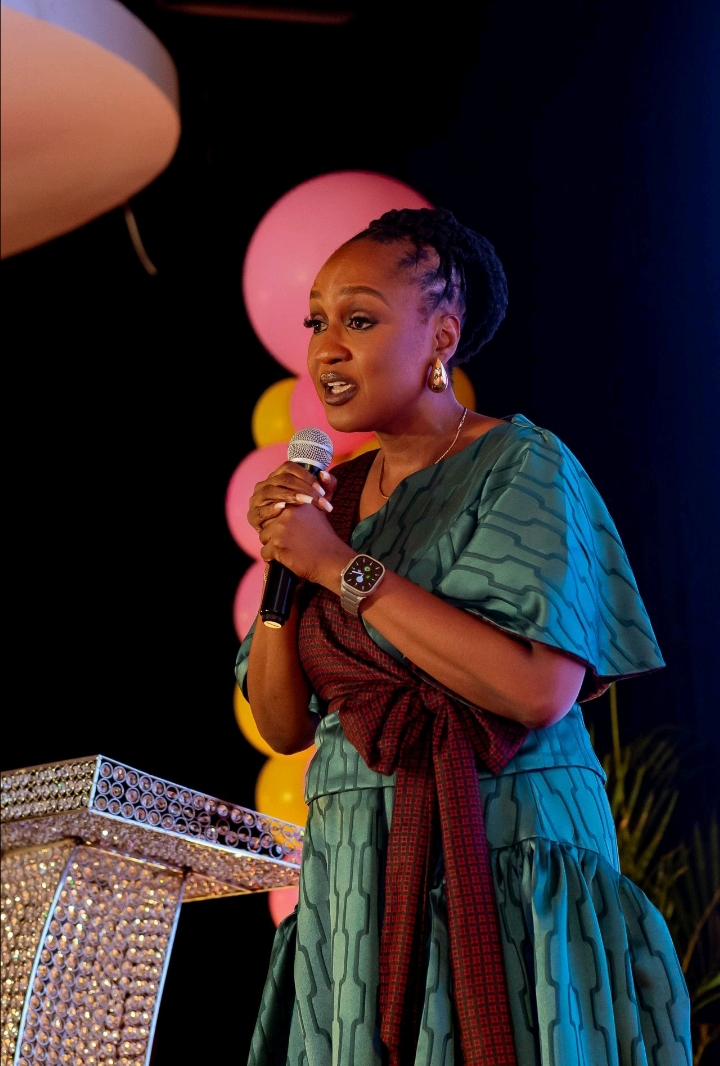
Executive coach reveals how one professional turned two rejections into a promotion by fixing an invisible problem
Hard work does not automatically translate into career advancement, according to Dzigbordi Kwaku-Dosoo, a Human Currency Strategist, Executive Coach, and Founder and CEO of DCG Consulting Group.
In a recent post sighted by OpporTechies, Kwaku-Dosoo said she has repeatedly watched highly capable professionals get overlooked for promotion, while colleagues with less experience moved into senior roles ahead of them.
A case that stood out
One example, she said, has stayed with her.
Kwaku-Dosoo disclosed that she coached a professional who had been passed over twice for a senior position, despite strong results, solid tenure, consistent delivery, and visibility in meetings.
It was learned by OpporTechies that the issue was never about competence. According to Kwaku-Dosoo, the real problem was visibility and translation.
Excellent work is not enough on its own
The professional was doing excellent work, solving difficult problems, and creating real value, Kwaku-Dosoo noted. But they had assumed the work would speak for itself.
It did not.
Kwaku-Dosoo said this is where many high performers get stuck. At a certain level, she explained, the ability to do the work stops being enough. Decision-makers need clear answers: What changed? What improved? What business problem got solved? What happened because that person was involved?
That, she stressed, is not self-promotion. It is leadership communication.
The shift that led to a promotion
OpporTechies gathered that Kwaku-Dosoo and her client shifted their approach away from trying to “look promotable” toward building solid evidence of impact, focused on the right outcomes, the right stories, and the right conversations with the right decision-makers.
By the third review cycle, the promotion came through.
Invisible impact, invisible competence
Kwaku-Dosoo’s conclusion is one many professionals find uncomfortable, OpporTechies understands: if your impact is invisible, your competence may be invisible too.
Her advice is not to get louder, but to get clearer. Professionals, she said, should do excellent work and then learn to translate that work into value others can see, understand, and remember.
As Kwaku-Dosoo put it, work cannot advocate for you if nobody knows what it changed.
Two failed promotion attempts. One overlooked truth. Executive coach Dzigbordi Kwaku-Dosoo tells OpporTechies why brilliant work often goes unnoticed, and reveals the simple shift that finally got her client the senior role they deserved



More Stories
Elon Musk SpaceXAI Jobs: Apply without AI skills
How to Make $2,000 monthly with AI: Kemi’s 2026 strategy for beginners
Expert offers 10 priceless advice on how to get scholarships in U.S